Noah Müller · 3 September 2026
Central European universities have expanded cross-border technology partnerships in recent years, and these efforts now produce measurable outcomes in student-led innovation programs across Poland, the Czech Republic, Hungary, and Slovakia; research indicates that joint projects in artificial intelligence, cybersecurity, and sustainable engineering receive increasing attention from national science agencies. Data from the Visegrad Group innovation reports show that collaborative student teams submitted over 340 project proposals in 2025, with funding allocations rising by 22 percent compared with the previous cycle according to the European Commission's Horizon Europe dashboard.
Institutions such as Warsaw University of Technology, Czech Technical University in Prague, Budapest University of Technology and Economics, and Slovak University of Technology formed formal consortium agreements in 2023 that allow shared laboratory access and co-supervised thesis work; these agreements enable students to move between campuses for periods ranging from three to nine months while maintaining credit recognition at their home institutions. Observers note that the structure reduces duplication of equipment purchases, and figures reveal combined annual research budgets exceeding €18 million for the participating faculties.
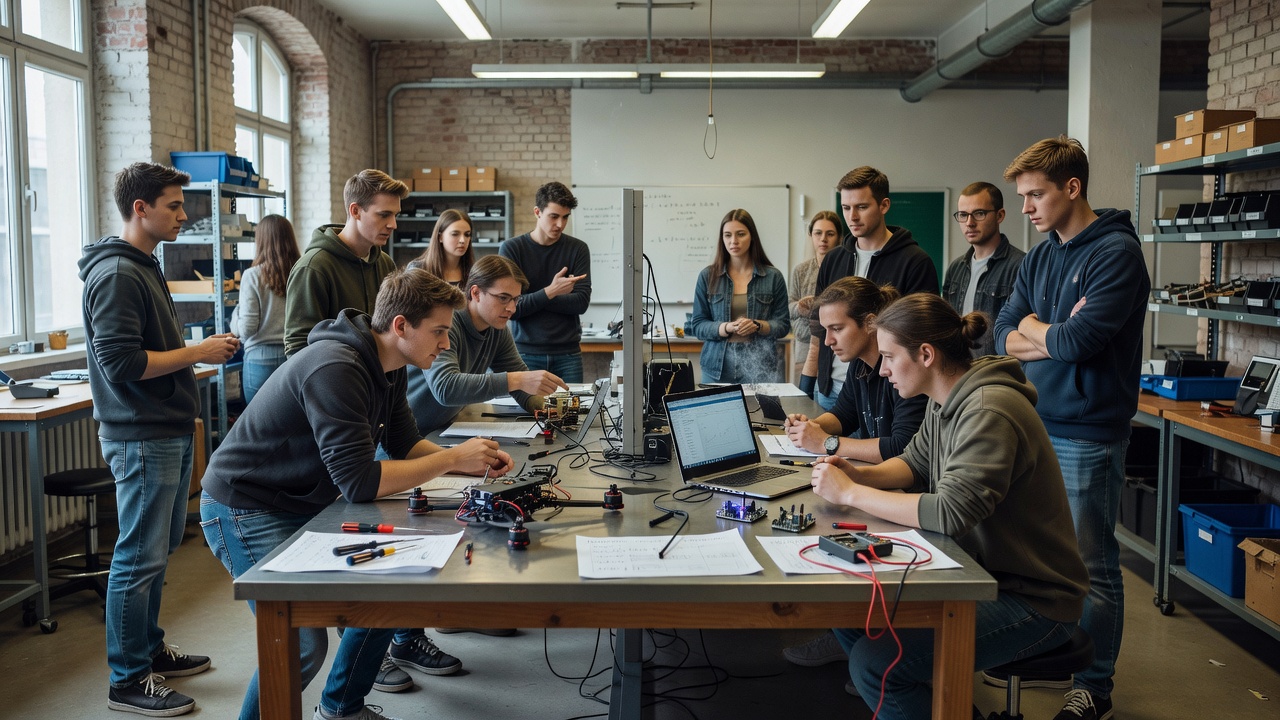
One project cluster focused on autonomous drone systems for agricultural monitoring achieved prototype certification under EU aviation standards in early 2026, while a separate group developed encrypted data-sharing platforms for small healthcare providers; both initiatives originated from mixed-nationality teams and later attracted seed investment from national development banks. Researchers at the participating universities documented the workflow in peer-reviewed papers published between March and July 2026, detailing the technical specifications and testing protocols.
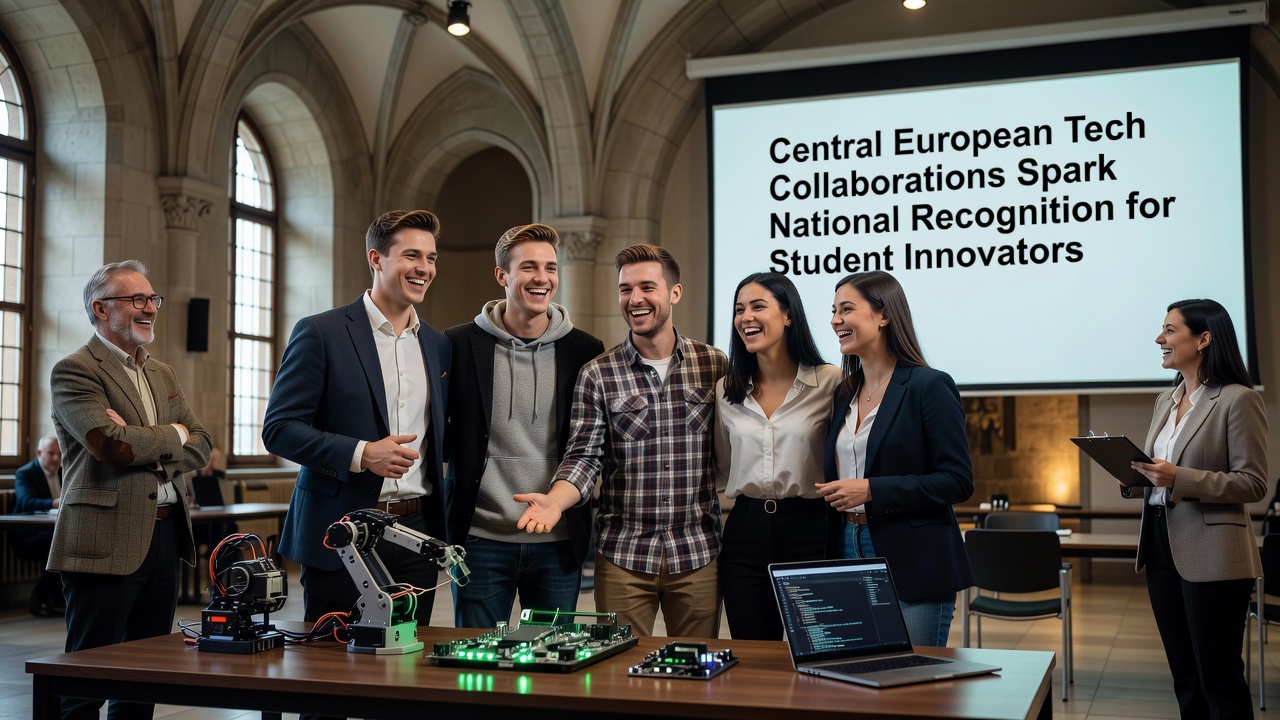
National award ceremonies scheduled for September 2026 highlight several student teams whose work emerged directly from these regional partnerships. The Polish Ministry of Science and Higher Education lists five Central European student projects among the 12 finalists for its annual innovation prize, while the Czech Academy of Sciences announced parallel recognition for two additional teams working on energy-efficient computing architectures. Award criteria emphasize measurable technical contributions and documented cross-border collaboration, rather than individual institutional output.
Program records indicate that winning teams receive grants between €25,000 and €75,000, along with access to national incubation facilities; past recipients have reported subsequent patent filings and licensing discussions with regional technology firms within 18 months of the award announcements.
University tracking systems record that participants in these collaborative programs complete degrees at rates 8 percent higher than non-participating peers in the same cohorts, and alumni surveys conducted by the institutions show employment placement in technology roles within six months exceeding 85 percent. Employers cited in the surveys include both multinational corporations with Central European offices and domestic startups that originated from earlier student projects.
Patent offices in the four countries registered 47 applications listing student inventors from the joint programs between January 2024 and June 2026; the applications cover areas such as sensor fusion algorithms, privacy-preserving machine learning methods, and modular robotics platforms. Licensing revenue reported to the universities remains modest at this stage, yet the filings contribute to institutional rankings used by national accreditation bodies.
National research foundations in each country allocate dedicated budget lines for multilateral student initiatives, while the European Regional Development Fund supplies additional matching grants when projects demonstrate clear technology transfer potential. Administrative data from the participating universities list 62 active student researchers funded through these combined sources during the 2025–2026 academic year, with average stipends set at €1,200 per month for the duration of the collaborative phase.
Industry partners contribute equipment and mentorship hours rather than direct cash transfers in most cases; automotive suppliers in Hungary and software firms in Slovakia appear most frequently on the partner rosters. These arrangements allow students to test prototypes against real production constraints, and feedback loops documented in project logs show iterative design changes occurring within two-to-four-week cycles.
Central European technology collaborations continue to produce documented student innovations that receive national-level acknowledgment, with September 2026 events serving as the next scheduled milestone for public recognition. Institutional records, funding statistics, and patent filings provide concrete indicators of activity, while the cross-border agreements establish repeatable pathways for future cohorts. The pattern shows sustained participation growth across the four countries without reliance on any single funding stream or institutional leader.