Noah Müller · 1 October 2026
Digital Advancements Revolutionizing Evaluation Approaches in University Pathway Programs
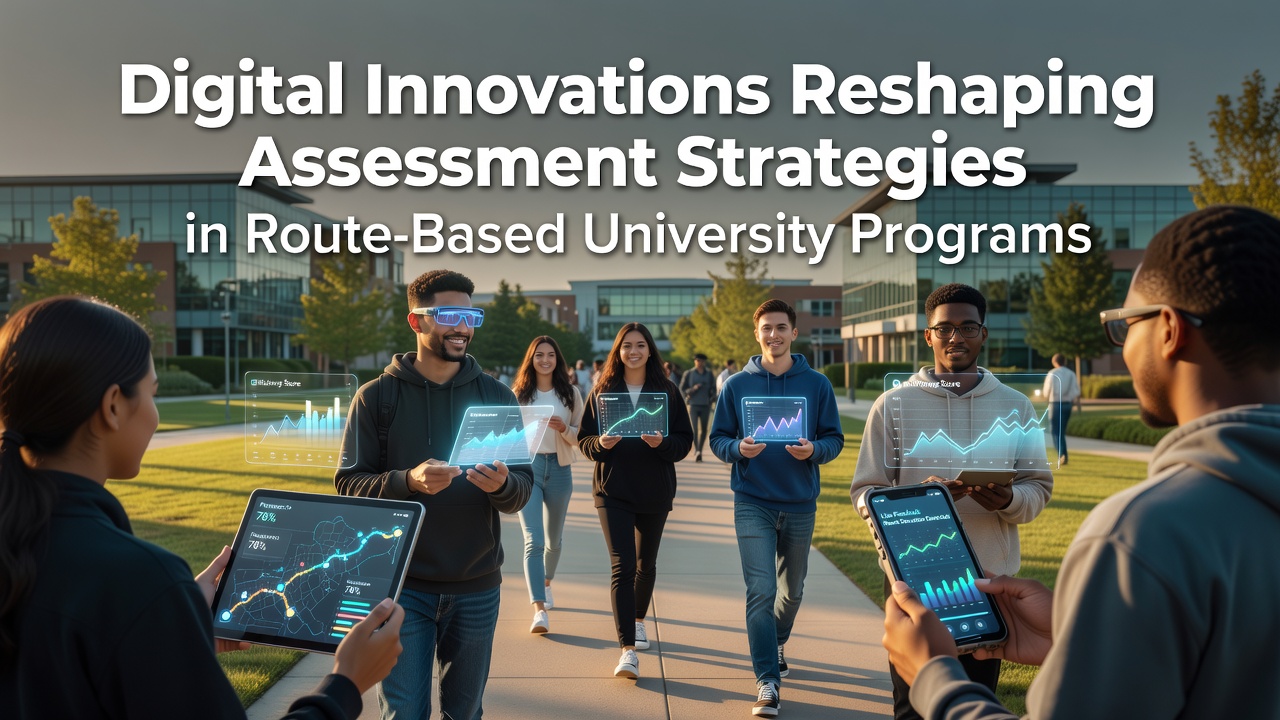
Route-based university programs rely on structured pathways that guide students through specialized sequences of courses and experiences, and digital innovations continue to transform how educators measure progress within those sequences. Institutions across multiple regions have integrated platforms that allow real-time tracking of competencies while students move through defined routes toward degrees or certifications. These systems collect data from assignments, simulations, and interactive modules, then generate reports that map individual performance against program benchmarks.
Core Technologies Driving Change
Adaptive learning software now adjusts assessment difficulty based on student responses during route progression, and this approach draws from algorithms that analyze patterns in answer accuracy and time spent on tasks. Universities in Europe and North America report that such tools help identify skill gaps earlier in the pathway, which allows instructors to intervene before students advance to more complex stages. Data from the European Commission's education monitoring reports show increased adoption of these platforms between 2023 and 2025, with further pilots scheduled through October 2026 in several member states.
Artificial intelligence also supports automated grading of open-ended responses and portfolio submissions, while machine learning models compare submissions against rubrics derived from industry standards. Observers note that this reduces administrative workload for faculty and provides consistent scoring across large cohorts. Meanwhile, virtual reality environments enable practical evaluations in fields such as engineering and health sciences, where students demonstrate procedures in simulated settings that mirror real-world route requirements.
Integration with Pathway Structures
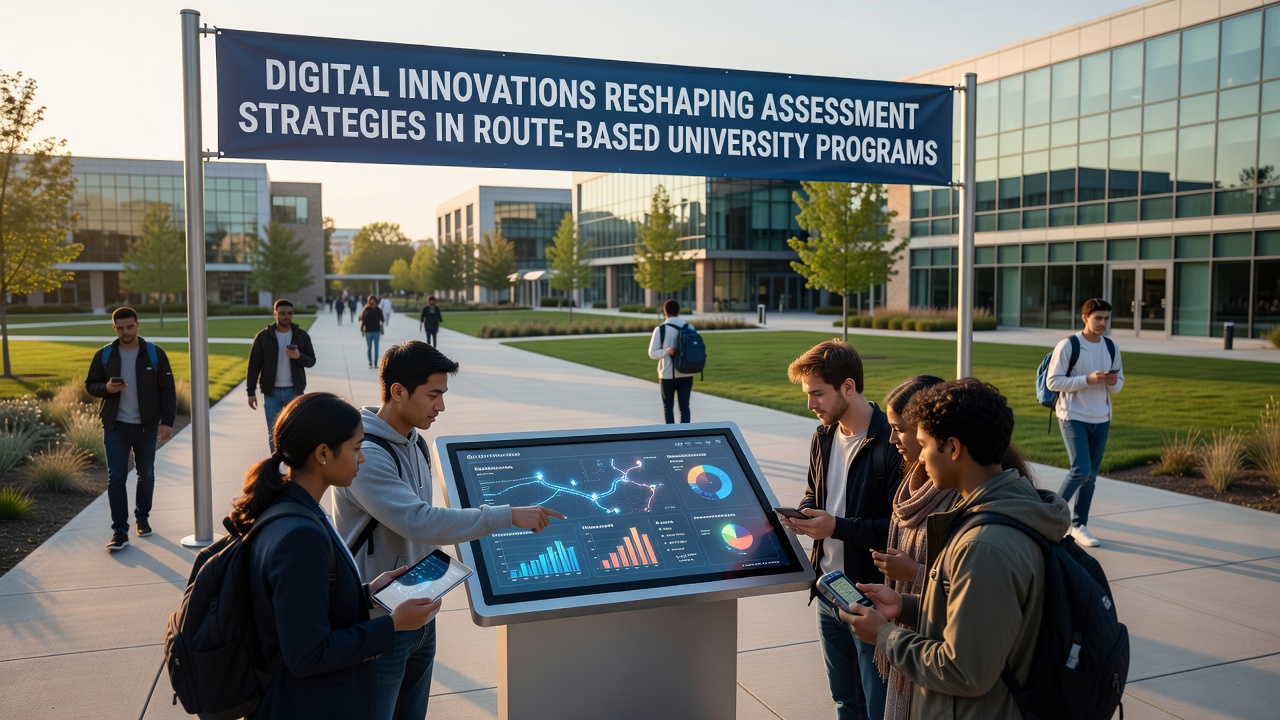
Route-based programs often connect foundational courses to advanced applications, and digital dashboards now display cumulative metrics that follow students along each segment. Educators use these visualizations to verify that milestones align with career-oriented outcomes, and institutions link the platforms to external databases maintained by professional accreditation bodies. One study conducted by researchers at an Australian university found that students who received weekly digital feedback progressed through pathways at higher completion rates compared with those using traditional paper-based reviews.
Blockchain records have entered the picture as well, allowing secure storage of verified achievements that students can share with employers or transfer institutions. Canadian provincial education ministries have piloted such systems to document micro-credentials earned along specific routes, and preliminary figures indicate reduced verification times for academic records. These records integrate with assessment engines so that completed modules automatically update a student's verified profile without manual entry.
Data Sources and Evidence from Recent Implementations
According to a 2025 report issued by the Organisation for Economic Co-operation and Development, digital assessment adoption in higher education pathways grew by 28 percent in participating countries over two years. The report highlights examples from Singapore and the Netherlands where centralized platforms aggregate results from multiple institutions, and it notes that October 2026 will mark the next phase of cross-border data sharing agreements. Those agreements aim to standardize metrics used in route evaluations while preserving institutional autonomy over curriculum design.
Industry organizations such as the International Association for Online Learning have published case studies showing how simulation-based assessments correlate with job placement rates in technical pathways. Their findings, drawn from programs in the United States and South Korea, indicate that students assessed through digital simulations demonstrate stronger performance on industry certification exams than peers evaluated solely through written tests. Researchers continue to examine long-term outcomes as more universities expand these methods.
Challenges and Ongoing Adjustments
Security concerns remain central because digital platforms store sensitive performance data, and institutions address this through encryption protocols and regular audits. Faculty training programs have expanded to cover interpretation of analytics dashboards, since effective use requires understanding both the algorithms and the pedagogical context of each route. Some universities report that initial rollout periods demand additional technical support staff, yet these investments pay off once systems stabilize.
Equity considerations also receive attention, because access to reliable devices and internet connections varies among student populations. Programs in several regions now incorporate offline assessment options that sync when connectivity returns, and pilot projects in October 2026 will test expanded mobile interfaces designed for low-bandwidth environments. These adjustments aim to maintain consistency across diverse learner groups without altering the core evaluation criteria.
Conclusion
Digital innovations continue to reshape assessment strategies within route-based university programs by providing granular, timely data that follows students through structured pathways. Technologies such as adaptive algorithms, virtual simulations, and secure credentialing systems support more precise measurement of competencies, and evidence from multiple international sources confirms steady growth in their application. As implementations advance into 2026, institutions maintain focus on integration, security, and equitable access to sustain these developments across varied educational contexts.